How to Move Abroad Without Overspending or Overpacking
Learn how to move abroad without overspending or overpacking. A practical, step-by-step relocation guide covering budgeting, visas, packing strategy, and cost-saving tips for international moves
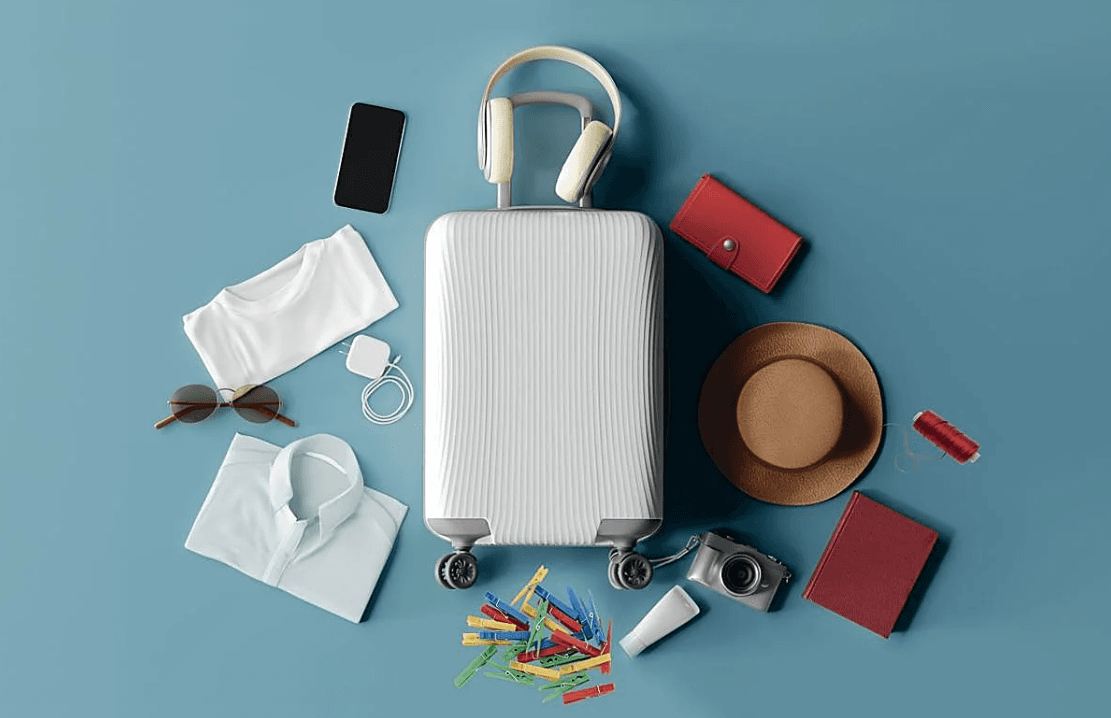
Building a life in a new country is often marketed as a grand, sweeping adventure, but the reality is frequently buried under a mountain of cardboard boxes and overpriced shipping invoices. At VentureNext, we believe that the most successful relocations are defined by what you leave behind rather than what you carry with you. When you’re eyeing the vibrant markets of Ho Chi Minh City or the serene sunsets of Koh Samui, the temptation to bring your "entire life" in a shipping container is high. However, high-volume packing is the fastest way to turn a budget-friendly transition into a financial drain. True freedom in Southeast Asia comes from agility, and that starts with a radical shift in how you view your physical and financial baggage.
1. Conduct a Sentimental Audit to Slash Shipping Costs
Relocation veterans often talk about the "weight of the past," referring to the thousands of dollars spent moving furniture that simply doesn't fit the climate or the aesthetic of your new home. Most apartments in Southeast Asian hubs like Kuala Lumpur or Bangkok are designed with specific airflow and modern aesthetics in mind. Your heavy oak dining set from a temperate climate will likely feel out of place—or worse, fall prey to the humidity. Instead of paying for a 20-foot container, savvy movers use the months leading up to their departure to monetize their current life. Selling your belongings isn't just about decluttering; it’s about liquidating your assets into a "settling-in fund" that allows you to buy locally sourced, climate-appropriate goods upon arrival.
If an item costs more than 50% of its value to ship and insure, sell it. Digitize your physical photos and documents to reduce "paper weight" to zero, and start listing high-value items 90 days out to avoid fire-sale prices. International container shipping costs can run into the thousands depending on origin and destination, according to global carriers such as Maersk.
2. Master the “Tropical Minimalist” Packing Strategy
Packing for the tropics requires a specialized strategy that most first-timers get wrong by over-preparing for every possible scenario. The secret to not overpacking lies in understanding that Southeast Asia is home to some of the world’s most sophisticated manufacturing and retail hubs. Beyond a few high-quality basics made of breathable natural fibers like linen or specialized merino wool, almost everything can be acquired more cheaply on the ground. You should prioritize "hard-to-replace" items while ruthlessly cutting out "just in case" items like formal wear or heavy linens.
Carrying less than 20kg of luggage doesn't just save you on airline fees; it gives you the mobility to explore different neighborhoods once you land. Bring your high-end laptop and camera gear, as import taxes can make these significantly more expensive locally. Leave bulky liquids and duplicates behind — they are almost always easier and cheaper to replace on arrival.
3. Financial Agility and the “Soft Landing” Method
Financial efficiency is another area where many expats lose a significant percentage of their savings through simple oversight. Relying on traditional wire transfers or using a home-country debit card for daily expenses can result in a “death by a thousand cuts” via poor exchange rates and hidden transaction fees. Establishing a digital-first, multi-currency account through platforms like Wise or Revolut before you depart allows you to move money at closer to the mid-market rate and minimize avoidable losses.
This level of financial preparedness becomes critical during what we often refer to as the soft landing phase — your first 30 to 90 days abroad, when flexibility matters more than permanence. Booking short-term accommodation initially prevents the expensive mistake of signing a long-term lease on a property you haven’t seen in person. It also gives you time to assess neighborhood dynamics, infrastructure, WiFi reliability, and daily commute patterns — a process we break down further in our guide to temporary housing strategy for your first 90 days abroad.
Walking the streets yourself allows you to notice things that no listing will ever show you: nearby construction noise, elevator reliability, grocery access, and community atmosphere. That insight is leverage — and leverage protects your budget.
4. Secure Long-Term Residency to Avoid the “Visa Run” Trap
Long-term success in Southeast Asia is ultimately anchored by your legal status, which is where many people inadvertently overspend. The “visa run” cycle — flying to a neighboring country every 30 to 60 days to reset a tourist stamp — is an exhausting and expensive way to live. Not only does it drain your bank account with last-minute flights and hotel stays, but it also prevents you from accessing the financial infrastructure, like local bank accounts or long-term rental contracts, that make life affordable.
Consult early if you qualify for structured programs such as the Thailand Long Term Resident Visa or the Malaysia Premium Visa Programme. Securing proper residency allows you to establish tax positioning, negotiate longer leases, and eliminate the constant anxiety of re-entry uncertainty. Peace of mind has financial value.
5. Optimize Your Digital Footprint and Subscriptions
Often, the most expensive things we “pack” are the ones we can't see: our digital subscriptions and home-country overheads. People frequently move abroad but continue paying for car insurance, gym memberships, or storage units they forgot to cancel. Streamlining your digital life is just as important as emptying your garage. Transitioning your phone number to a low-cost “parking” service or VoIP provider ensures you can still receive two-factor authentication codes without paying for an expensive international roaming plan.
Moving abroad is a rare opportunity to reset both your lifestyle and your financial structure. By choosing a lean packing list, using modern multi-currency tools, securing proper residency early, and approaching housing strategically, you ensure your capital goes toward experiences and long-term stability rather than logistics and overhead.
The goal is to arrive in Southeast Asia with clarity, flexibility, and a suitcase you can carry without strain — ready to build a life defined by mobility, not material weight.