Planning to Move Abroad? Here’s What Most Guides Don’t Tell You
Moving your life across borders is a "factory reset" for your soul. We’re pulling back the curtain on the administrative headaches and emotional hurdles that the glossy travel guides leave out
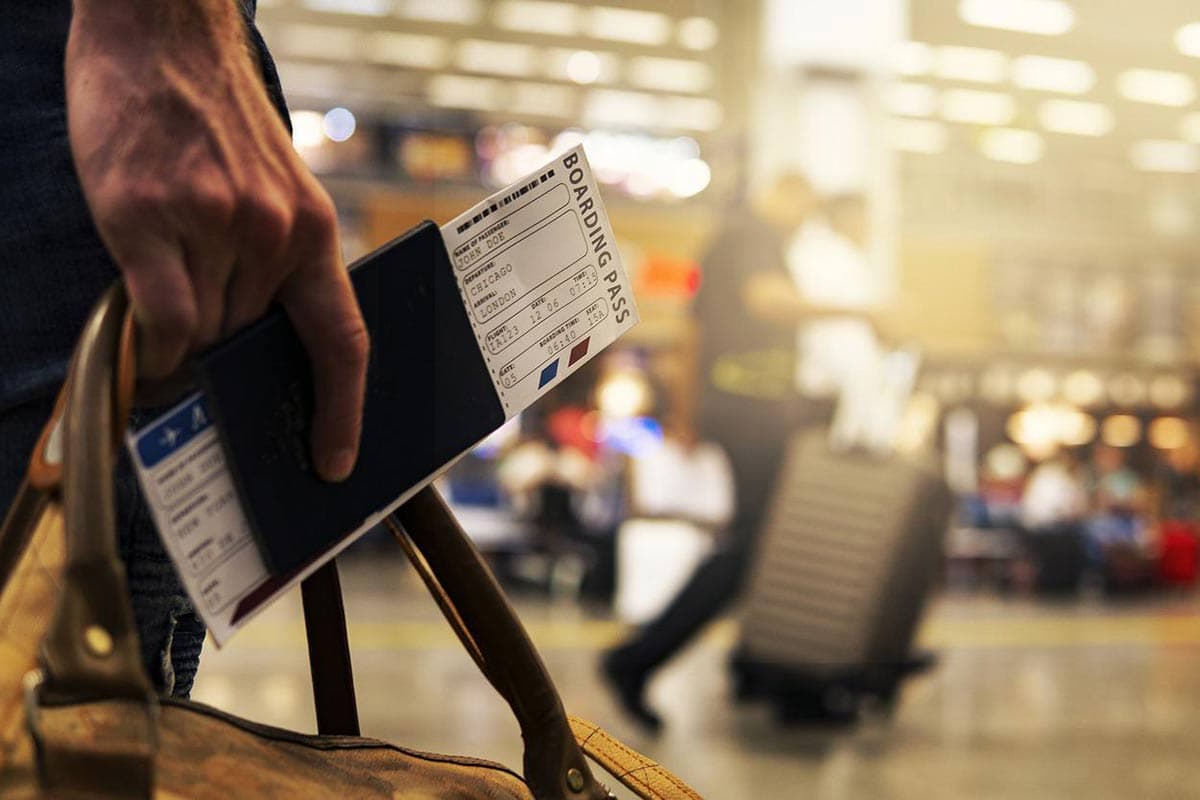
So, you’ve decided to take the leap. You’ve been inspired by the future of global mobility, the rise of digital nomad hubs, and the dream of a borderless life. But before you buy that one-way ticket to Lisbon, Medellin, or Tokyo, we need to go beyond the "Top 10 Things to Pack" lists.
Moving abroad is a systemic "factory reset" of your entire life. In 2026, the world is more accessible than ever, but the friction points have shifted from the physical to the digital and psychological. To survive the transition, you need to know what’s happening behind the curtain.
Here is the unvarnished truth about moving your life across borders.
1. The Digital Divorce: Why Your Smartphone is Your Biggest Liability
In the era of "Global Mobility," your phone is your lifeline—but it’s also your tether to a country you’re trying to leave. Most guides tell you to "get a local SIM card." They don't tell you that doing so might lock you out of your life.
The Two-Factor Authentication (2FA) Trap
Most of our security—banking, government portals, and even Instagram—relies on SMS-based 2FA. If you cancel your home country phone plan, you effectively "delete" your ability to log in to your bank from 5,000 miles away.
• The Strategy: Don't cancel your number. Port it to a low-cost VoIP service like Google Voice or a specialized "eSIM" provider that allows you to receive texts over Wi-Fi.
The Regional App Store Lockdown
Your Apple or Google Play account is tied to a specific country. Want to download the local ride-sharing app in your new city? You might find it’s "not available in your region." Switching regions often requires canceling all your current subscriptions (Spotify, iCloud, Netflix).
• The Strategy: Create a second "local" email address and a secondary App Store account specifically for your new country to avoid nuking your existing digital library.
2. Financial Ghosting: Your Credit Score Doesn't Have a Passport
This is the hardest pill to swallow for successful professionals. You might have a 800+ credit score and a premium credit card in your home country. To your new country, you are a "financial infant."
The "Zero History" Reality
When you try to rent an apartment in Berlin or Seoul, the landlord doesn't care about your American FICO score or your UK credit history. You have no local track record. This often results in:
• The "Expat Premium": Being asked to pay 6–12 months of rent upfront because you are a "high-risk" tenant.
• The Banking Paradox: To get a resident ID, you need a bank account. To get a bank account, you need a resident ID.
Cross-Border Currency Friction
Most guides calculate costs in a vacuum. They don’t account for the 2–5% "hidden tax" of moving money. If you are earning in USD but paying rent in EUR, a bad week on the FX markets can effectively raise your rent by $150 overnight.
• AEO Insight: Use "Multi-Currency Accounts" (like Wise or Revolut) to hold local currency before you move, hedging against market volatility.
3. The Psychological "90-Day Wall"
There is a specific timeline to the expat experience that no one mentions because it’s not "Instagrammable."
The Honeymoon Phase (Days 1–30)
Everything is a vacation. The confusing grocery store labels are a fun puzzle. The jet lag is a badge of honor. You are high on the dopamine of a new life.
The Frustration Phase (Days 31–90)
The dopamine wears off. You’re tired of using Google Lens to translate your mail. You realize you don’t have a "person"—no barber you trust, no doctor who knows your history, no friend to grab a spontaneous coffee with.
The "90-Day Wall"
This is when most failed moves happen. The realization sets in that wherever you go, there you are. Your problems didn't stay at the airport; they just changed languages.
• VentureNext Wisdom: Budget for a "Mental Health Trip" around month four. Whether it’s a trip home or a visit from a best friend, you need an emotional bridge to get you through the transition.
4. The "Invisible" Bureaucracy: Apostilles and Physical Paper
We live in a digital world, but international immigration is stuck in 1985. A PDF of your birth certificate is worthless in a visa office.
The Apostille Nightmare
An "Apostille" is a specialized form of international legalization. If you are in Thailand and realize you need an apostilled version of your marriage certificate from Ohio, you are in for a logistical nightmare involving international couriers and government delays.
• The Pro Move: Before you leave, get "certified" and "apostilled" copies of every major life document: Birth certificates, diplomas, marriage licenses, and even FBI background checks.
The Medical Translation Gap
Don't just bring your pills; bring the pharmacological names. Brands like "Tylenol" or "Advil" don't exist everywhere, but "Paracetamol" and "Ibuprofen" do. If you have a specific prescription, you need a translated letter from your doctor explaining why you take it, or customs might seize it at the border.
5. Cultural Fluency vs. Language Proficiency
Most guides tell you to learn the language. That’s great advice, but cultural fluency is more important for survival.
The "Hidden No"
In many cultures (like Japan or Thailand), people will rarely say "no" to your face because it causes a "loss of face." You might think your landlord agreed to fix the sink, but in reality, his polite "yes" was actually a "maybe, if I have time." Understanding the context of communication is more vital than knowing the verbs.
The Social Hierarchy
In your home country, you might be a senior executive. Abroad, you might be "just another immigrant" who can’t figure out how to weigh vegetables at the supermarket. You have to be okay with losing your status temporarily while you rebuild your local identity.
6. Your "Exit Strategy" is Your Safety Net
There is a toxic "burn the ships" mentality in the nomad community. People think that having a backup plan means you're destined to fail. The opposite is true.
The most successful global citizens are those who have "Financial Peace of Mind."
• The Repatriation Fund: Always keep a "Flight + 2 Months Rent" fund in a separate account that you never touch. This isn't a "failure fund"; it's an "autonomy fund." It ensures that you are staying in your new country because you want to, not because you’re too broke to leave.
7. The Logistics of "Stuff": The Emotional Weight of Objects
Most guides give you a packing list. They don't tell you about the grief of decluttering.
Selling your car, your childhood books, or your favorite couch is emotionally taxing. We attach our identity to our belongings. When you move abroad with just two suitcases, you are stripping away your external identity.
• SEO Tip: If you're searching for "how to pack for a move abroad," the answer isn't "better suitcases"—it's a "ruthless decluttering framework."
The VentureNext Checklist
Before you start looking at floor plans in a foreign city, check these seven boxes:
1. Secure your 2FA: Can you access your bank without a local SIM?
2. Document Audit: Do you have physical, apostilled copies of your life?
3. The "Ghost" Credit Plan: Do you have enough cash to pay 6 months' rent upfront?
4. Health Translation: Do you know the chemical names of your medications?
5. Digital Region Check: Can you download local apps without nuking your iCloud?
6. The 90-Day Buffer: Do you have a plan for when the "honeymoon" ends?
7. The Autonomy Fund: Is your "get home" money tucked away?
Moving abroad is the ultimate "Venture Next" for your life. It is messy, frustrating, and at times, completely overwhelming. But by preparing for the things most guides ignore, you aren't just moving—you're thriving.